American Metal Giants Eye European Expansion as Festival Shake-Ups Signal Major Continental Touring Shift
The transatlantic metal exchange is heating up with significant developments pointing toward a major shift in how American metal acts approach European markets. Sevendust's announcement of their November-December 2026 European headlining tour marks a strategic pivot for the Grammy-nominated Atlanta metallers, who are positioning themselves for sustained Continental presence during what industry insiders predict will be metal's most active European touring season in years.
American Heavy Hitters Target European Strongholds
Sevendust's 2026 European campaign, launching November 25 in Hamburg and concluding December 15 in London, represents more than just another touring cycle. The timing aligns with a broader pattern of American metal bands recognizing Europe's resilient festival infrastructure and devoted fanbase as essential components of long-term career sustainability. With general tickets going on sale April 15 at 11 a.m. CEST, the band is clearly banking on European audiences' loyalty to groove-laden alternative metal.
This strategic European focus comes as other American metal veterans make crucial personnel decisions for their own international ambitions. Godsmack's recruitment of guitarist Sam Koltun and drummer Wade Murff for their 2026 tour demonstrates how established acts are refreshing their lineups specifically for sustained touring cycles that will undoubtedly include European dates.
The implications for European metal scenes are significant. When American acts of this caliber commit to full European tours rather than scattered festival appearances, it validates the continent's position as metal's most crucial international market outside North America. This development offers valuable lessons for Europe's homegrown heavy metal acts about the importance of sustained presence over sporadic touring.
Festival Disruptions Reveal Market Volatility
The sudden replacement of Nothing More by Skindred as headliners at Bulgaria's Hills Of Rock festival in July exemplifies the volatile nature of European festival booking. While the specific reasons behind Nothing More's withdrawal remain unclear, Skindred's elevation to headlining status showcases the Welsh reggae-metal pioneers' growing Continental influence.
This lineup change highlights both the challenges and opportunities within European festival circuits. Nothing More's absence creates a vacuum that established European-based acts could potentially fill, while Skindred's promotion demonstrates how bands with strong European connections can capitalize on sudden opportunities. For emerging European metal acts, these developments underscore the importance of maintaining flexible touring schedules and strong industry relationships.
The Bulgarian festival's quick pivot also reveals the robust backup systems European festivals have developed. Unlike some regional markets where headliner cancellations can devastate events, Europe's interconnected metal scene provides multiple viable replacement options. This resilience partly explains why American bands like Sevendust are increasingly viewing European tours as safer investments than other international markets.
Veteran Longevity Strategies and Industry Wisdom
Corrosion of Conformity guitarist Woody Weatherman's recent comments about the band's long-term touring plans reveal important insights about sustained career longevity in metal. His assertion that "as long as we're still here, we'll be touring" and mentions of plans already in development for 2027 demonstrate the forward-thinking approach successful veteran acts employ.
Weatherman's pragmatic approach to career planning—acknowledging that the music business "plans way, way ahead"—offers crucial guidance for European metal acts seeking international recognition. The lesson is clear: successful metal careers require years-long strategic thinking rather than album-cycle-focused planning.
Similarly, Winger frontman Kip Winger's "never say never" attitude toward future live shows, despite previous retirement announcements, reflects metal's unique relationship with performer longevity. These veteran perspectives become particularly relevant as European metal scenes mature and longtime Continental acts face similar career sustainability questions.
For European metal bands watching these developments, the message is unmistakable: sustained success requires treating touring as a long-term business strategy rather than a series of isolated promotional efforts. The fact that established American acts are planning European campaigns two years in advance demonstrates the level of commitment necessary for international metal success.
Genre Evolution and Creative Collaboration
Recent creative partnerships, such as Atreyu's collaboration with Sepultura legend Max Cavalera on their latest single "Children of Light," illustrate how cross-generational cooperation continues driving metal's evolution. While this specific collaboration involves non-European acts, it establishes a template European metal artists can adapt for their own scenes.
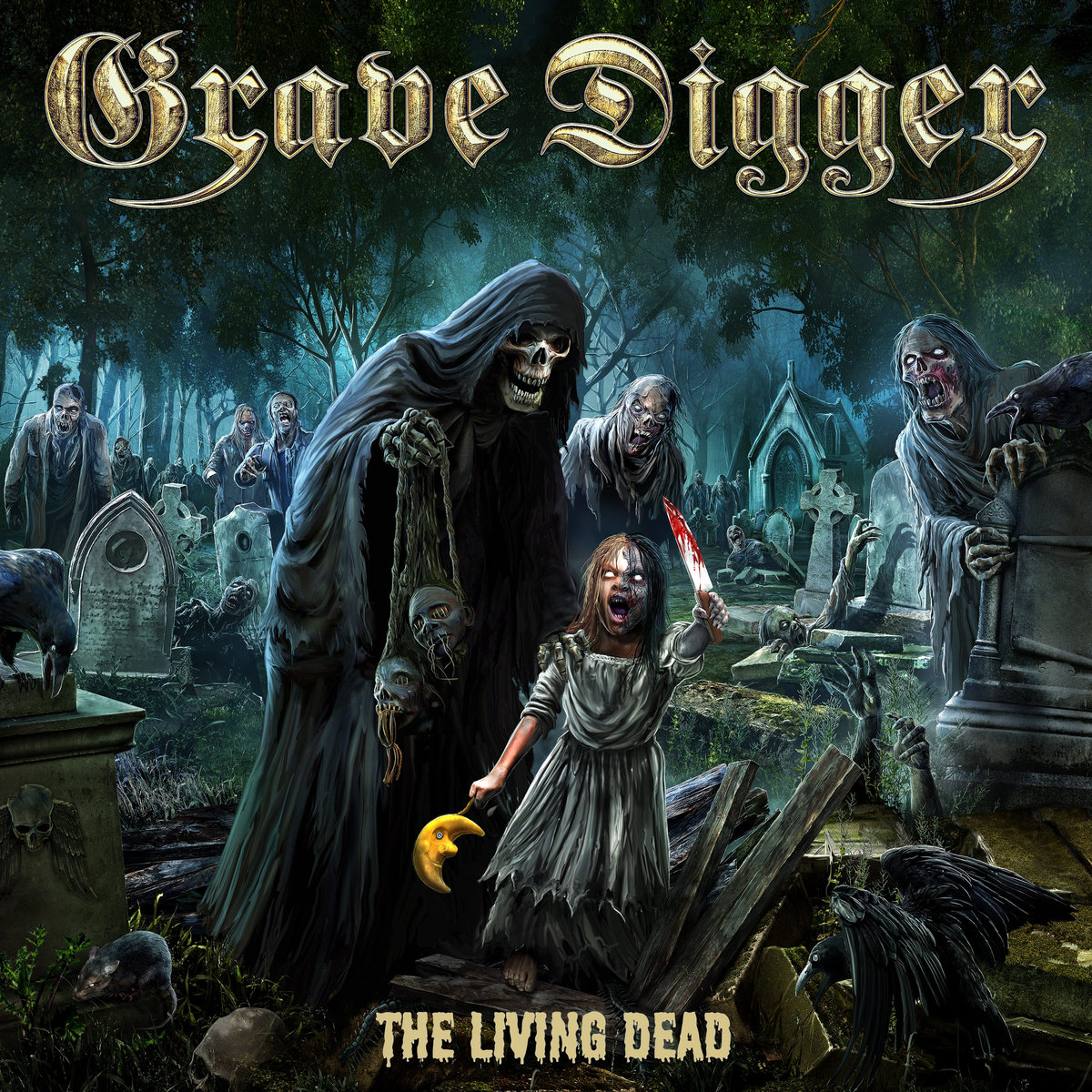
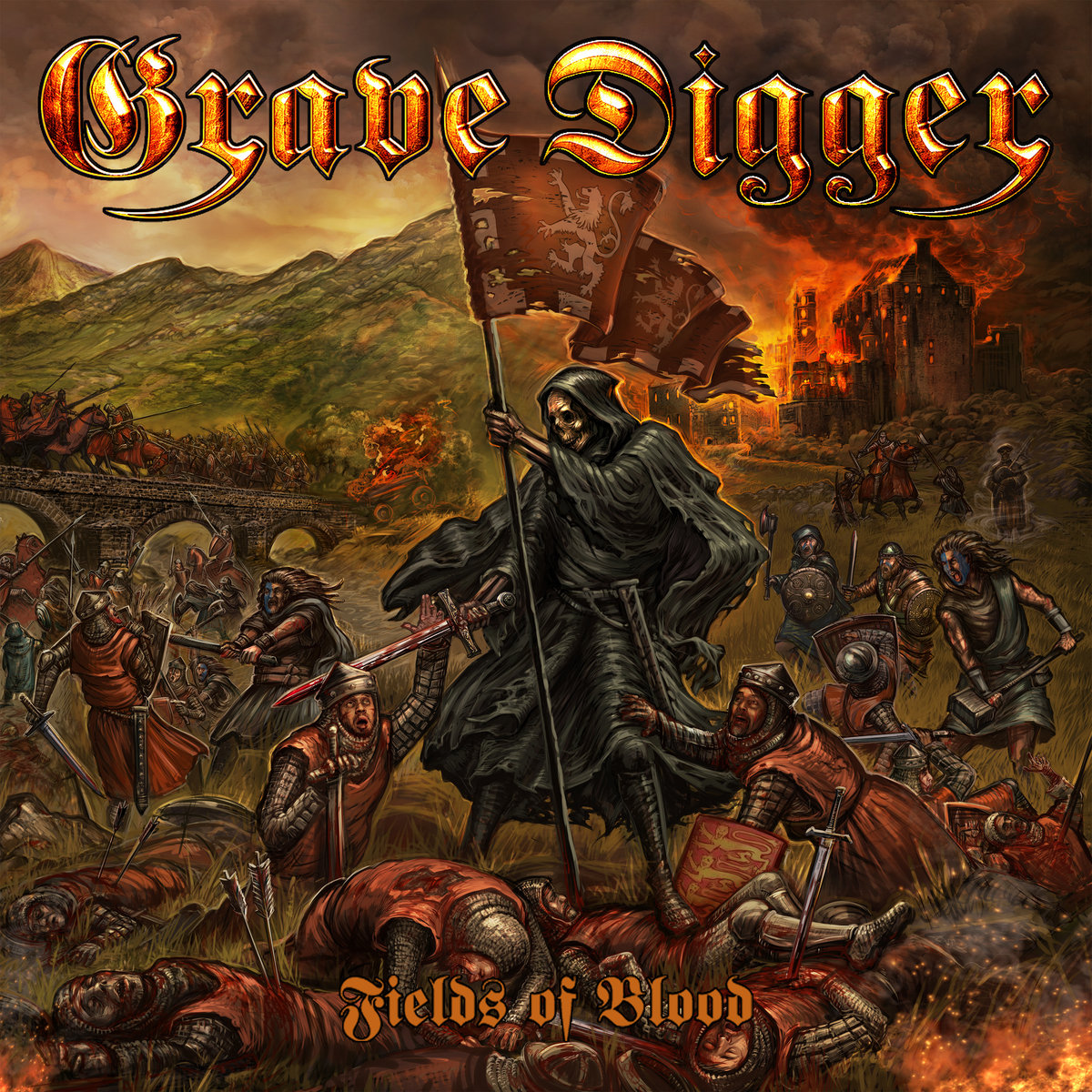
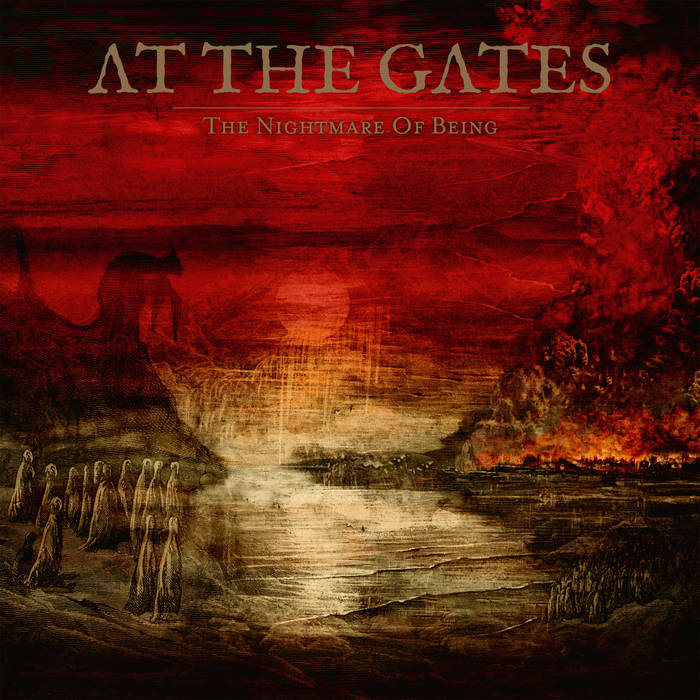
The success of such partnerships suggests opportunities for European metal acts to bridge generational gaps within their own regional scenes. Veterans like Germany's Grave Digger or Sweden's At the Gates could potentially mentor emerging acts while gaining fresh creative perspectives themselves.
These collaborative approaches become especially relevant as European metal scenes seek to maintain their distinctive character while remaining globally competitive. The continent's rich metal heritage provides numerous opportunities for meaningful cross-generational projects that could strengthen regional scenes while appealing to international audiences.
Industry Commentary and Cultural Reflection
Tool and Puscifer's Maynard James Keenan's recent harsh commentary about the state of the world—declaring that "the fucking world is on fire" and "we've lost the fucking way"—reflects broader cultural anxieties that increasingly influence metal's thematic content. While Keenan's specific comments address general societal concerns, they highlight metal's continuing role as a vehicle for cultural critique and social commentary.
European metal acts have historically excelled at incorporating social and political commentary into their work, from early thrash metal's anti-war themes to black metal's philosophical explorations. Keenan's blunt assessment suggests continued market demand for authentic, uncompromising artistic statements—an area where European metal's traditionally more direct approach to controversial topics could prove advantageous.
The cultural moment also presents opportunities for European acts to distinguish themselves through thoughtful engagement with regional issues while maintaining the universal appeal necessary for international success. As American metal icons voice increasing disillusionment, European artists might fill emerging gaps in authentic, socially conscious heavy music.
Technical Innovation and Scene Development
The ongoing evolution of metal's technical boundaries continues influencing European scene development. As American acts push toward more sophisticated production techniques and complex musical arrangements, European metal communities must decide whether to match this technical arms race or pursue alternative approaches emphasizing their regional strengths.
Progressive metal acts like Germany's The Ocean have already demonstrated how European bands can compete at the highest technical levels while maintaining distinctive artistic voices. Their post-metal innovations suggest pathways for other European acts seeking to balance technical ambition with regional identity.

The challenge for emerging European metal acts lies in developing technical competency without losing the authentic character that makes their regional scenes distinctive. As American bands increasingly target European markets, Continental acts must ensure their home advantage translates into meaningful artistic and commercial advantages.
These developments collectively signal a pivotal moment for European metal scenes. American acts' increased Continental focus validates Europe's market importance while creating both competitive pressure and collaborative opportunities. How European metal communities respond to these challenges will likely determine their global influence for the remainder of the decade.