European Metal Tours Explode as Judas Priest Plans Faithkeepers Run and Black Metal Underground Expands
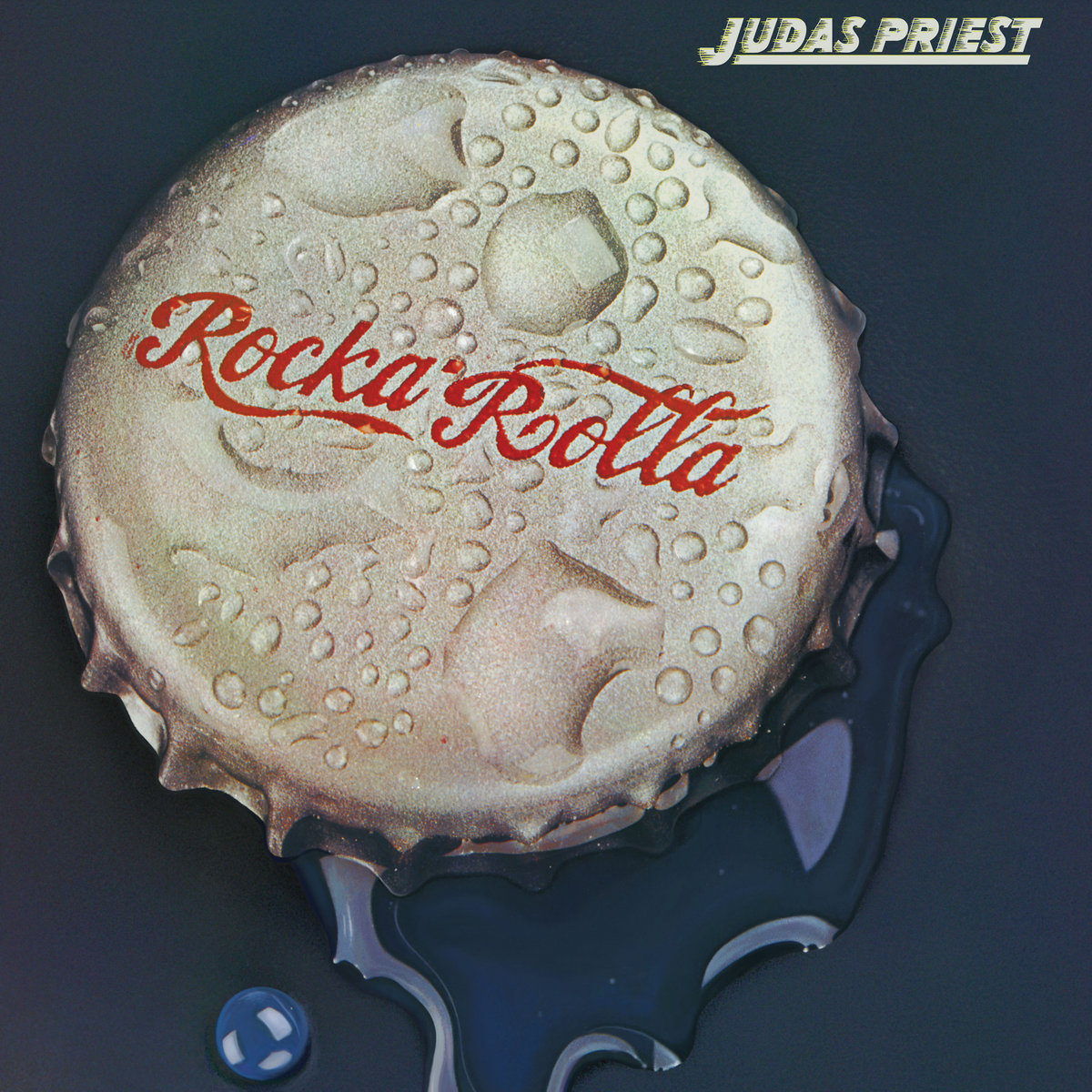
The European metal scene is experiencing a touring renaissance that spans from legendary heavy metal titans to underground black metal acts, with major announcements confirming the continent remains the epicenter of global metal culture. From Birmingham legends plotting their next European conquest to atmospheric black metal acts expanding their continental reach, the diversity of what's heading to European stages in the coming months reflects the region's unparalleled appetite for heavy music.
Judas Priest Promises Surprises on Faithkeepers European Tour
The Metal Gods themselves are preparing for another European campaign, with guitarist Richie Faulkner recently confirming that their upcoming Faithkeepers tour won't be constrained by anniversary obligations or specific album focuses. This approach signals a return to the unpredictability that made Judas Priest one of the best heavy metal bands of all time, allowing them to craft setlists that draw from their entire catalog rather than being locked into commemorative performances.
For European metalheads, this means experiencing the full spectrum of Priest's evolution, from their early pioneering work through their modern incarnation. The decision to avoid focusing on specific albums like "Sad Wings of Destiny" or "Turbo" anniversaries suggests the band recognizes that European audiences want the complete Judas Priest experience rather than nostalgia-driven performances.
This touring strategy reflects a broader trend among 80s metal bands who are finding renewed vitality by treating their catalogs as living documents rather than museum pieces. European venues, with their diverse mix of intimate clubs and grand arenas, provide the perfect testing ground for such varied approaches to classic material.
Underground Black Metal Gains Continental Foothold
While legends tour the major circuits, the underground continues to expand with acts like Lamp of Murmuur announcing additional European dates. The atmospheric black metal project's growing tour schedule represents the increasing sophistication of European extreme metal touring networks, where underground acts can now sustain extended continental runs that would have been impossible just a decade ago.
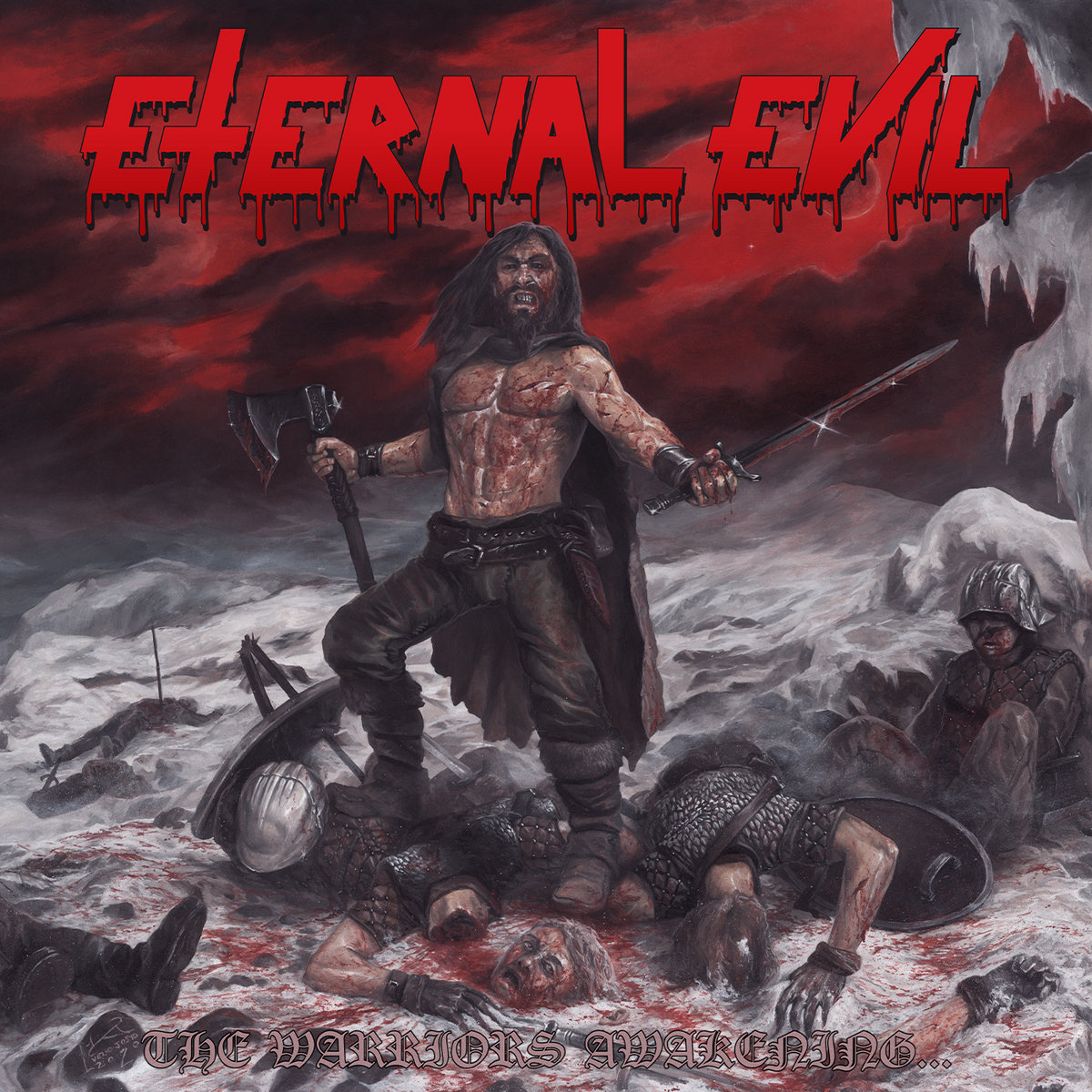
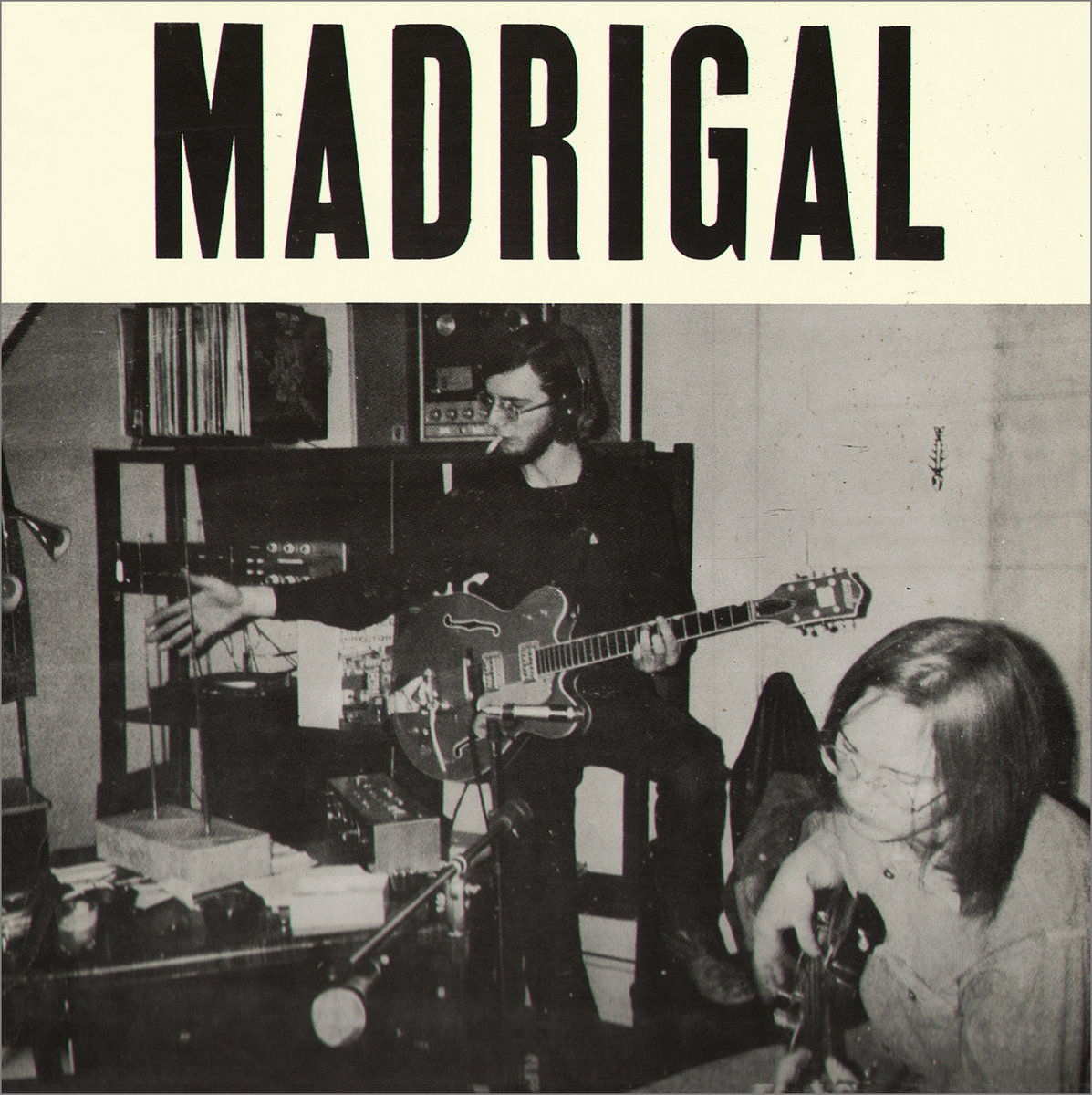
This expansion benefits the entire European metal scene, creating opportunities for local black metal acts to share bills with touring underground heroes. Bands like Djevelkult, Eternal Evil, and Madrigal find themselves part of an increasingly connected network of extreme metal that spans from Norway's fjords to Greece's ancient landscapes.
The black metal touring surge also highlights how European geography favors underground metal touring. The relatively short distances between major metal markets allow smaller acts to build sustainable tour routes, creating a pipeline that elevates the most compelling underground bands to continental recognition.
Cross-Atlantic Metal Exchange Intensifies
The announcement of Vended's European and UK tour dates demonstrates the continuing cultural exchange between American metal scenes and European audiences. The younger generation of metal acts understands that European validation remains crucial for establishing global credibility, particularly for bands carrying the weight of family legacy in the metal world.
For European metal fans, these cross-Atlantic tours provide access to the latest developments in American heavy music while reinforcing Europe's position as a crucial market that can make or break international metal careers. The willingness of American acts to invest in extensive European touring speaks to the sophistication and passion of continental metal audiences.
This exchange also creates opportunities for European support acts to gain exposure to different approaches to heavy music. Local bands sharing stages with American headliners often return to their home scenes with fresh perspectives that push the regional sound forward.
Documentary Culture Celebrates Metal Heritage
Iron Maiden's upcoming "Burning Ambition" documentary represents another facet of metal's increasing cultural legitimacy. These high-production documentaries serve multiple purposes for the European metal scene: they preserve the history of bands that helped define the continent's metal identity while introducing younger generations to the foundations of what they're building upon.
European metal bands, from household names to underground warriors, benefit from this documentary trend as it elevates the entire genre's cultural standing. When metal legends receive cinematic treatment, it validates the artistic worth of heavy music and creates space for contemporary European acts to be taken more seriously by cultural institutions and media outlets.
The documentary approach also captures the specific European elements of metal culture – the festival traditions, the geographic diversity of regional scenes, and the deep historical connections that American metal scenes often lack.
Thrash Metal's Enduring European Appeal
The ongoing discussions around thrash metal's growing popularity, as exemplified by bands like Voivod's expanding audience, reflect a particular European appreciation for technical proficiency and musical evolution. European metal audiences have consistently shown greater patience for bands that push boundaries rather than simply repeating successful formulas.
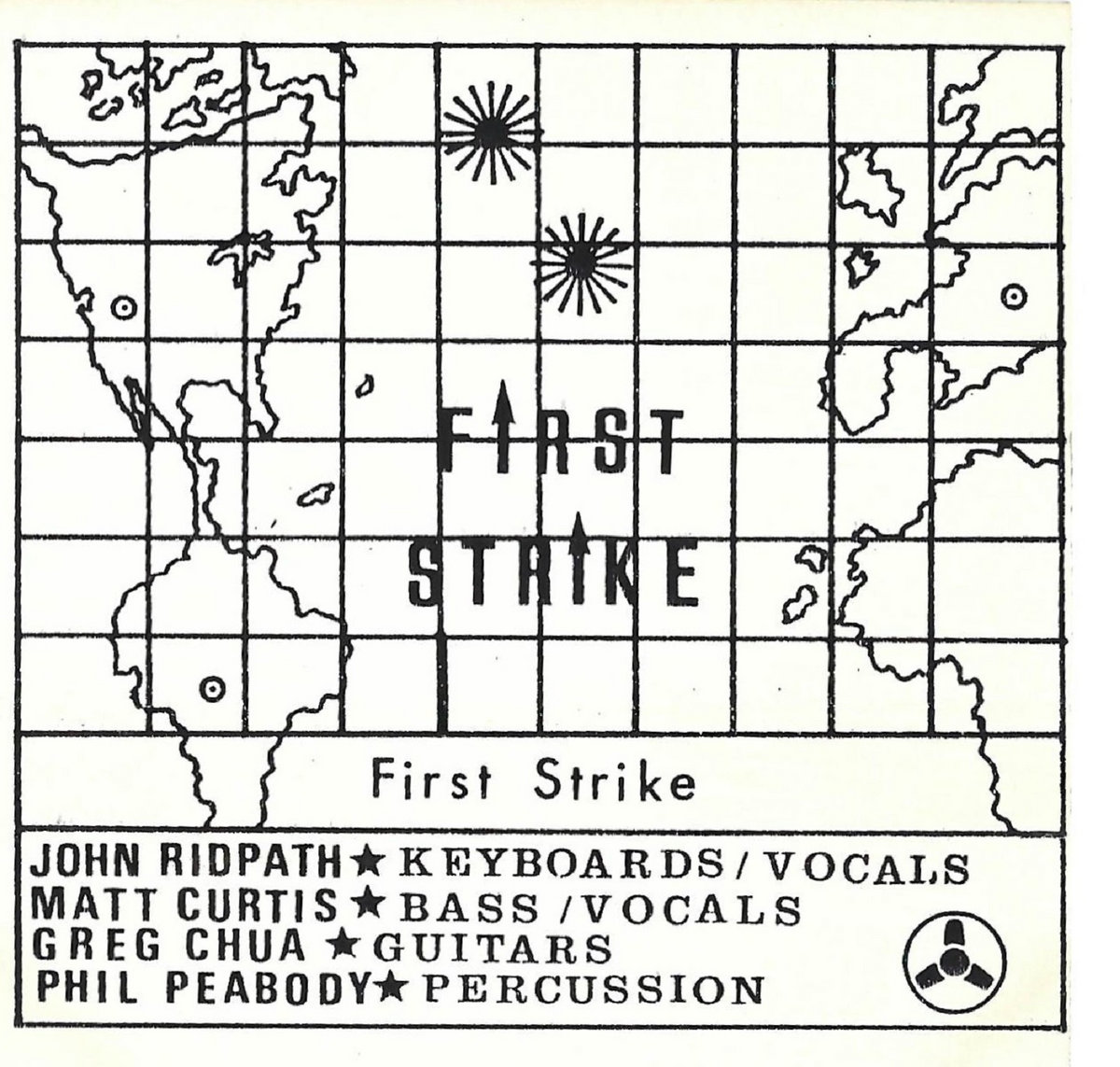
This environment has fostered a thriving European thrash scene that includes both international acts finding new audiences and local bands like First Strike and Senttura carrying forward the tradition with their own interpretations. The genre's technical demands and historical significance resonate particularly well with European metal culture's emphasis on musicianship and authenticity.
European festivals continue to book thrash acts heavily, recognizing that these bands deliver the combination of nostalgia and musical excellence that defines successful festival programming. This creates a sustainable ecosystem where both classic thrash legends and contemporary practitioners can thrive.
Equipment and Industry Developments Shape Scene
The release of new signature guitar models, like Jake E. Lee's Charvel collaboration, reflects the ongoing relationship between metal musicians and the gear that defines their sound. European guitar manufacturers and distributors benefit from these developments as metal's influence on instrument design continues expanding.
For European metal musicians, access to signature instruments and professional-grade equipment at various price points democratizes the tools needed to achieve classic metal tones. This accessibility helps maintain Europe's position as a breeding ground for new metal talent by removing some of the financial barriers that historically limited access to quality instruments.
The gear culture surrounding metal also creates additional revenue streams for European bands through endorsements and equipment partnerships, helping sustain careers in an industry where traditional album sales continue declining.
Looking Forward: Metal Bands Touring 2026
The current wave of tour announcements suggests that metal bands touring 2026 will find European audiences more eager than ever for live heavy music. The combination of pent-up demand, improved venue infrastructure, and the continent's unmatched festival circuit creates an environment where both established legends and emerging acts can build sustainable touring careers.
European metal's future looks particularly bright as the region continues attracting international acts while nurturing homegrown talent across every subgenre. From the atmospheric black metal of Scandinavia to the technical death metal emerging from Eastern Europe, the continent's metal diversity ensures that European audiences will continue setting global standards for metal appreciation and cultural support.
The integration of traditional touring models with digital promotion and fan engagement creates opportunities for European metal acts to reach global audiences while maintaining their regional authenticity. This balance between local identity and international reach may well define the next chapter of European metal's ongoing evolution.