European Stages Beckon: Industrial Titans and Atmospheric Pioneers Plot Continental Conquest
The European metal landscape is heating up with an unprecedented wave of international touring announcements, as legendary acts and emerging forces prepare to converge on the continent throughout 2026. From industrial metal pioneers to atmospheric black metal innovators, the touring circuit reveals fascinating insights into how global metal scenes view Europe as both a proving ground and a spiritual home.
Industrial Warfare Returns to European Soil
Fear Factory's upcoming European campaign this August through October represents more than just another touring cycle—it's a statement about the enduring appeal of industrial metal in a region that has always embraced genre-blending extremity. Their partnership with an international lineup including Crystal Lake, Hate, and The Nocturnal Affair demonstrates how modern touring packages are becoming increasingly eclectic, mixing established legends with contemporary voices across multiple metal subgenres.
The timing couldn't be more intriguing. As metal bands touring 2026 continue to announce their European dates, there's a clear pattern emerging: veteran acts are choosing the continent as their primary focus for major tour announcements. This suggests that European audiences remain among the most receptive to both nostalgia-driven performances and experimental new material.
What makes this particular tour fascinating is its international flavor. While Fear Factory brings their California-forged industrial assault, the supporting acts represent a global cross-section of modern metal. This kind of cultural exchange has always been vital to the European metal scene's evolution, creating opportunities for local bands to witness and absorb influences from across the globe.
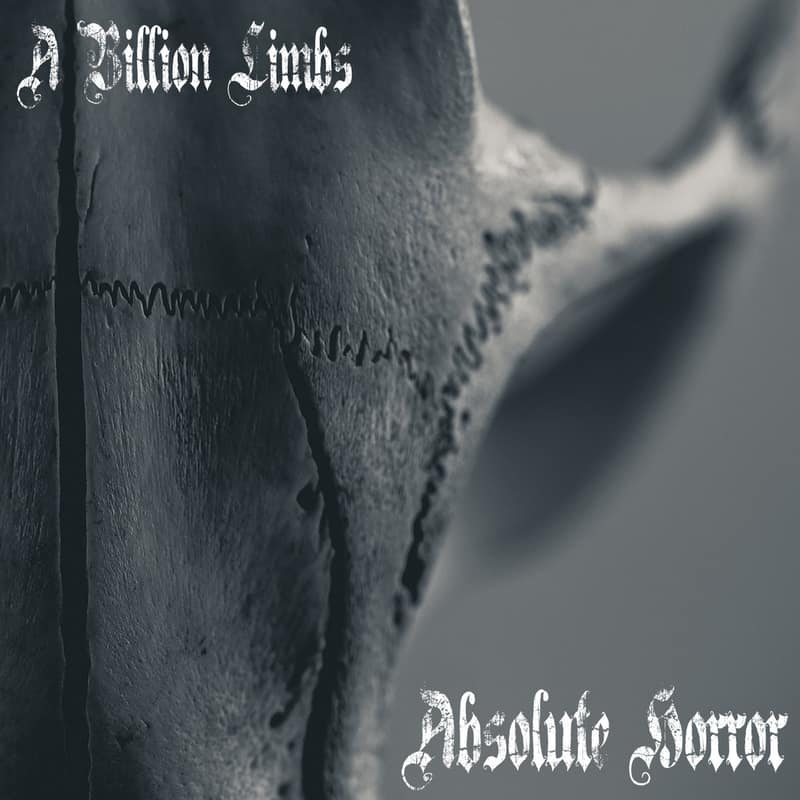
For European death metal acts like A Billion Limbs and A Bond Between, these international tours provide crucial learning opportunities. Watching how established acts structure their performances and engage with diverse audiences offers invaluable insights for bands looking to expand beyond regional scenes.
The Atmospheric Underground Stirs
While the big-stage industrial spectacles grab headlines, equally significant movements are happening in the atmospheric and progressive metal realms. Abigail Williams' return to European stages after an extended absence signals renewed interest in the kind of atmospheric black metal that European audiences have long championed.
Their May and June solo dates represent a different approach to European touring—intimate venues, dedicated audiences, and the kind of immersive experience that atmospheric metal demands. This contrasts sharply with the festival-circuit approach that many bands adopt when crossing the Atlantic, suggesting a more nuanced understanding of how different metal subgenres connect with European listeners.
The atmospheric black metal scene has deep roots across Europe, with countries like Norway, France, and Germany producing some of the genre's most influential acts. When American bands like Abigail Williams choose to tour solo rather than as part of larger packages, it demonstrates respect for the sophisticated metal palates that European audiences have developed over decades.
This trend toward genre-specific touring could signal broader changes in how international acts approach European markets. Rather than trying to appeal to the broadest possible audience, bands are increasingly targeting the specific communities that understand and appreciate their artistic vision.
Lineup Changes and Artistic Evolution
Perhaps no story better illustrates the resilience of modern metal than Crystal Lake's decision to continue their touring commitments despite significant lineup changes. Their approach—utilizing guest vocalists rather than canceling shows—reflects both professional dedication and creative opportunity.
This situation presents unique possibilities for European metalcore and death metal scenes. Local vocalists with the skill and stage presence to fill in for major touring acts could find themselves thrust into international spotlights, creating career-defining moments and cross-pollination between regional scenes.
The metalcore genre has always thrived on community and collaboration, values that resonate strongly with European metal culture. Bands like A Blackened Sight understand that genre boundaries are meant to be pushed, and situations like Crystal Lake's current lineup flux demonstrate how creativity can emerge from apparent setbacks.
Legacy Acts and Contemporary Relevance
The broader conversation about legacy acts and their contemporary relevance gains particular significance in the European context. The continent's metal scenes have always maintained deep respect for pioneering bands while simultaneously nurturing cutting-edge innovation.
European festivals and venues provide unique environments where 80s metal bands can share stages with the newest experimental acts, creating intergenerational dialogues that benefit both artists and audiences. This cultural continuity helps explain why so many international acts prioritize European touring—the audiences here understand metal history while remaining open to its evolution.
The influence of classic acts on contemporary European metal cannot be overstated. Bands across the continent continue to draw inspiration from the genre's foundational works while adding their own cultural perspectives and modern production techniques. This creates a dynamic where touring international acts encounter local scenes that are both reverent toward metal tradition and aggressively innovative.
The Broader Festival Ecosystem
These individual tour announcements exist within a broader ecosystem of European metal festivals that provide crucial platforms for both established and emerging acts. The festival circuit creates opportunities for cultural exchange that extend far beyond single-band performances, fostering the kind of community that has made Europe central to global metal culture.
As bands plan their upcoming shows, the interconnected nature of European metal scenes becomes increasingly apparent. A band that builds a following in Germany can more easily expand to neighboring countries, creating touring circuits that are both economically viable and artistically rewarding.
For local European metal acts, this influx of international touring provides both inspiration and opportunity. Whether through direct support slots, festival appearances, or simply exposure to different approaches to metal composition and performance, the benefits ripple throughout regional scenes.
Looking Forward: A Metal Renaissance
The convergence of these touring announcements suggests that 2026 could be a watershed year for European metal. The combination of returning legends, innovative newcomers, and increasingly sophisticated audience expectations creates conditions for significant artistic growth.
European metal's strength has always been its diversity—from the atmospheric black metal of Scandinavia to the technical death metal innovations of countries like Poland and France. As international acts choose to invest heavily in European touring, they're acknowledging this diversity while contributing to its continued evolution.
The metal community's response to these announcements will likely influence future touring decisions by other major acts. If European audiences embrace this wave of international metal with characteristic enthusiasm, it could establish new patterns for how global metal touring is structured.
For bands looking to be part of this evolving landscape, the message is clear: European metal audiences reward authenticity, innovation, and respect for the genre's rich history. Whether you're an established act returning after years away or an emerging band looking to make your mark, the continent's metal scenes offer unparalleled opportunities for artistic growth and community building.
Local bands interested in connecting with this expanding network of opportunities should consider submitting their information to ensure they're positioned to take advantage of the collaborative possibilities that major touring cycles often create.