European Summer Metal Migration: Progressive Veterans and Hardcore Pioneers Converge on Continental Festival Circuit
The European metal calendar is experiencing a significant shift as established acts from across the progressive and hardcore spectrum announce ambitious touring campaigns that promise to reshape the continental summer festival landscape. What's emerging isn't just another touring season, but a strategic convergence of veteran acts seeking to reclaim their European strongholds while younger progressive acts leverage the festival circuit for career-defining exposure.
The Progressive Instrumental Invasion
The announcement of Animals As Leaders' extensive European festival run signals a broader trend of instrumental progressive acts recognizing Europe as their most receptive market. Unlike the hit-or-miss reception these technical virtuosos often receive in North American club circuits, European audiences have consistently demonstrated a sophisticated appreciation for instrumental complexity that goes beyond mere technical showboating.
This development speaks to a maturation in European metal tastes that has been building for the past decade. Where once the continental circuit prioritized accessibility and crowd-friendly singalongs, there's now genuine market demand for cerebral, composition-focused performances. The festival circuit has evolved to accommodate longer set times for these acts, allowing them to properly develop their intricate musical narratives rather than rushing through abbreviated greatest hits packages.
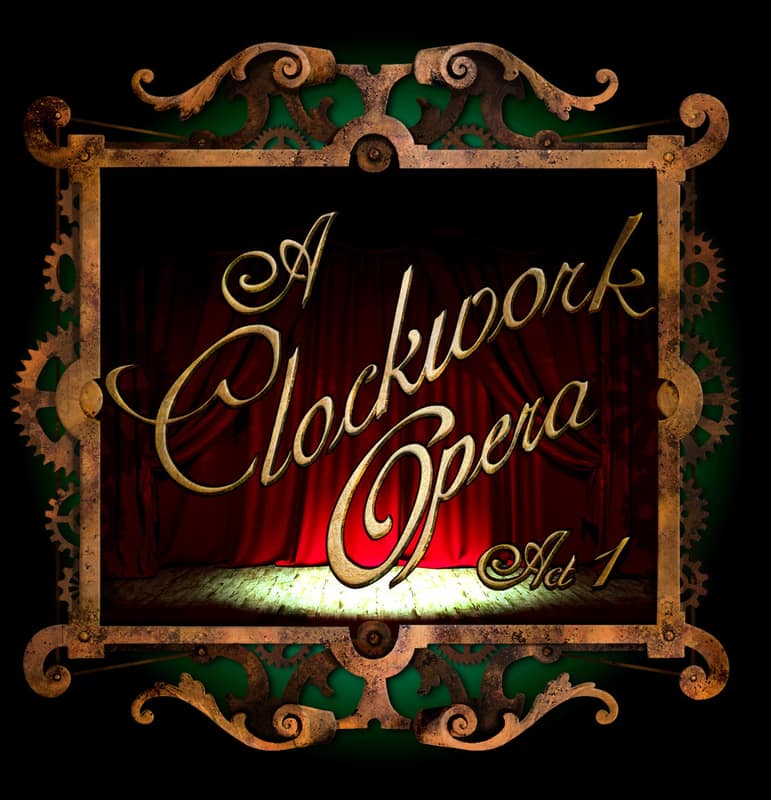
European progressive acts are taking notice. Bands from the index like A Clockwork Opera and A Cosmic Trail have been incorporating more instrumental passages into their compositions, recognizing that the European festival environment rewards musical sophistication. The influence is trickling down to club-level acts who see these international draws as validation that technical proficiency can coexist with commercial viability.
Hardcore's Anniversary Circuit Strategy
Cancer Bats' decision to anchor their 20th anniversary celebrations around extensive UK and European touring represents a calculated recognition of where hardcore punk maintains its most dedicated following. The band's dual approach—combining traditional anniversary sets with their Black Sabbath tribute project Bat Sabbath—demonstrates how veteran hardcore acts are adapting to European market realities.
The tribute element is particularly strategic. European audiences have shown consistent enthusiasm for well-executed tribute performances, viewing them not as novelty acts but as legitimate artistic interpretation. This cultural difference allows hardcore veterans to extend their touring viability by offering multiple performance concepts within a single tour cycle, maximizing their European investment.
For emerging European hardcore acts, this model provides a template for career longevity. Local bands are beginning to develop their own tribute projects alongside original material, understanding that European promoters value versatility and the ability to offer varied live experiences. The approach acknowledges that European metal culture celebrates its history more actively than some other regions, creating space for both reverent tributes and forward-thinking innovation.
Post-Gothic Alternative Positioning
AFI's European tour announcement, while modest in scope, reflects an interesting positioning strategy for bands occupying the space between alternative rock and metal. Their UK-heavy itinerary suggests recognition that certain European markets have maintained loyalty to the post-hardcore/gothic alternative sound that has struggled for relevance in other territories.
This creates opportunities for European acts working in similar sonic territories. Bands like A Dream of Poe and A Diaboli operate in the gothic-tinged alternative space that AFI helped popularize, and these international touring announcements validate the continued European appetite for atmospheric, emotionally driven heavy music that doesn't strictly conform to traditional metal categories.
The strategic focus on UK markets also highlights how Brexit has affected touring logistics, with many international acts now treating the UK as a separate touring entity from continental Europe. This has created interesting market dynamics where UK-focused tours often leave continental audiences underserved, potentially opening doors for European acts to fill those gaps.
The Studio Innovation Parallel
Behind these touring announcements lies a significant development in how established artists are approaching studio work. Shane Embury's announcement of his solo album "Bridge To Resolution" represents part of a broader trend of metal veterans using the extended downtime from recent years to explore personal artistic territories that might not fit within their primary band contexts.
This solo work trend is influencing European metal culture by demonstrating that artistic exploration doesn't require abandoning successful band identities. European metal musicians are increasingly comfortable pursuing parallel projects that showcase different aspects of their creativity, leading to a more diverse and experimental local scene.
The fact that Embury's work was created during pandemic isolation also speaks to how European metal musicians adapted to restrictions by focusing inward on composition and experimentation rather than simply waiting for normal touring to resume. This period of forced creativity has resulted in more thoughtful, personal work across the European scene.
Cross-Genre Collaboration Expansion
Perhaps the most intriguing development is the increase in unexpected collaborations, exemplified by projects like Enslaved's work with Norwegian rock choirs on traditional sea shanties. These collaborations represent a uniquely European approach to metal evolution—one that embraces historical and cultural context rather than rejecting it in favor of pure modernization.
European metal bands are increasingly viewing their regional cultural heritage as source material rather than limitation. This has led to more ambitious projects that incorporate folk traditions, classical influences, and historical themes in sophisticated ways that go beyond superficial medieval imagery or Viking stereotypes.
Local European acts are following this lead, with bands exploring their own regional cultural elements in meaningful ways. The approach suggests a confidence in European metal identity that doesn't require constant reference to American or British precedents, instead building from distinctly continental foundations.
Festival Circuit Evolution
The convergence of these various touring announcements points to a European festival circuit that has evolved beyond simple heavy music tourism into something resembling a genuine cultural exchange. Festivals are programming more thoughtfully, creating lineups that encourage genuine musical dialogue between international and local acts rather than simply stacking name recognition.
This evolution benefits European bands tremendously, as they're no longer relegated to early-day slots or local-band ghettoes. Instead, they're being integrated into lineups as full participants in musical conversations that span genres, generations, and geographic origins. The result is a more vibrant and sustainable European metal ecosystem that can support both international draws and homegrown talent.
The summer ahead promises to showcase this evolution in real time, with touring cycles that reflect the European metal scene's growing confidence and sophistication. Rather than simply importing entertainment, Europe is positioning itself as an active participant in metal's ongoing evolution, contributing distinct perspectives that are reshaping the genre's global development.