European Metal's Genre-Blending Revolution Reaches Critical Mass as Experimental Acts Lead Continental Evolution
The European metal underground is witnessing an unprecedented surge in genre experimentation, with artists across the continent boldly dismantling traditional boundaries to create entirely new sonic territories. This movement represents far more than isolated creative curiosity—it's a fundamental shift that positions Europe as the global epicenter of metal's evolutionary future.
The Chiptune-Death Metal Nexus Explodes
Perhaps nowhere is this experimental spirit more evident than in the rising prominence of acts that seamlessly blend electronic precision with crushing brutality. The announcement of the Master Boot Record and Fulci co-headline tour across Europe and the UK this autumn exemplifies how seemingly incompatible subgenres are finding common ground in European venues.
Master Boot Record's unique synthesis of 8-bit chiptune aesthetics with extreme metal arrangements has carved out a distinctly European niche, one that reflects the continent's long-standing comfort with industrial and electronic elements in heavy music. This isn't mere novelty—it's a sophisticated artistic statement that speaks to European metal's willingness to embrace technological innovation without sacrificing intensity.
Italian horror-metal specialists Fulci bring their own brand of atmospheric extremity to this unlikely pairing, demonstrating how European bands are drawing inspiration from cinema, literature, and digital culture to expand metal's expressive range. Their upcoming collaboration suggests that European audiences are not only receptive to these boundary-pushing approaches but actively demanding them.
The Technical Instrumental Renaissance
Simultaneously, the continent is experiencing a renaissance in technical instrumental music, with Animals As Leaders' upcoming European festival and club dates highlighting the growing appetite for complex, melody-driven compositions that eschew traditional song structures. The American trio's decision to focus heavily on European touring reflects the continent's reputation as a haven for progressive and technical metal appreciation.
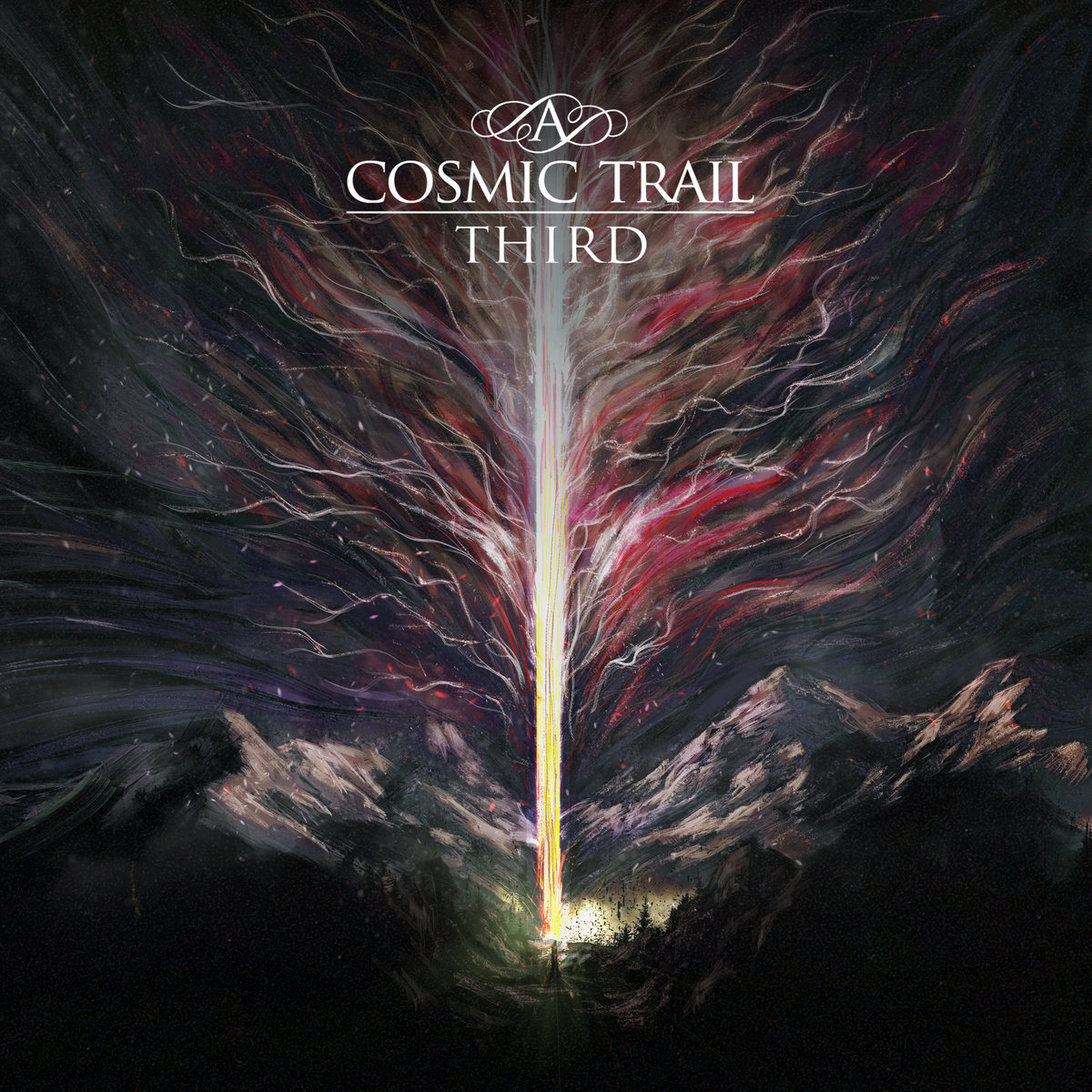
This trend resonates deeply within Europe's homegrown scene, where bands like A Cosmic Trail and A Pocket Sized Sun from our regional index have been quietly developing their own approaches to instrumental complexity. These acts represent a broader continental movement toward music that prioritizes compositional sophistication over conventional verse-chorus accessibility.
The European festival circuit's embrace of instrumental acts signals a mature audience willing to engage with challenging music on its own terms. Unlike markets where instrumental metal remains niche, European festivals are positioning these acts as main-stage attractions, reflecting a cultural appreciation for musicianship that transcends linguistic barriers.
Nordic Extremity Evolves Beyond Black Metal Orthodoxy
Denmark's emergence as a hotbed for innovative death metal further illustrates Europe's genre-blending evolution. The recent release from Foetorem demonstrates how Scandinavian bands are expanding beyond their region's black metal legacy to explore the full spectrum of extreme music possibilities.
Danish death metal has developed its own distinct character, incorporating the atmospheric sensibilities traditionally associated with Nordic black metal while maintaining the technical precision that defines contemporary death metal. This hybrid approach creates something uniquely European—music that respects regional traditions while fearlessly pushing into uncharted territory.
Acts like Abhorrent Cabaret and Abigor from our local scene exemplify this broader Scandinavian influence, demonstrating how the Nordic approach to extreme music continues to ripple across the continent. These bands understand that innovation doesn't require abandoning heritage—it requires transforming it.
Finnish Symphonic Metal's Vocal Evolution
Finland's symphonic metal scene is also undergoing significant transformation, with established acts like Amberian Dawn introducing new vocalists who bring fresh perspectives to well-established sounds. The integration of Swedish-English vocalist Nicole Willerton represents more than a personnel change—it reflects European metal's increasingly international character.
This cross-pollination of talent across European borders creates a continental metal identity that transcends national boundaries. Finnish symphonic metal, traditionally rooted in classical European musical traditions, now incorporates influences from across the continent, creating a more diverse and dynamic sound palette.
The willingness of established European bands to embrace such fundamental changes demonstrates confidence in their audience's sophistication. European metal fans have proven repeatedly that they value artistic growth over predictable comfort, encouraging bands to take creative risks that might be commercially dangerous in other markets.
Industrial and Atmospheric Fusion
The continental scene's embrace of atmospheric and industrial elements continues to distinguish European metal from its global counterparts. Bands like A Ghost in Rags and A Document Says represent a growing movement that treats metal as a canvas for broader artistic expression rather than a fixed template.
This approach reflects Europe's deep cultural relationship with industrial music, ambient composition, and avant-garde artistry. European metal bands routinely incorporate elements from these traditions, creating music that functions simultaneously as heavy music and contemporary art.
"European metal has always been more willing to embrace the uncomfortable, the challenging, and the genuinely innovative. We're seeing that tradition reach new heights as bands refuse to be constrained by genre expectations."
The Festival Circuit as Creative Laboratory
Europe's unparalleled festival infrastructure plays a crucial role in nurturing this experimental spirit. The continent's dense network of specialized festivals provides platforms for bands that might struggle to find audiences through traditional touring. From intimate club shows to major festival stages, European venues offer multiple pathways for innovative acts to reach receptive audiences.
This festival ecosystem encourages risk-taking by providing financial viability for experimental music. Bands can develop unusual sounds knowing that European festivals actively seek distinctive acts rather than safe commercial choices. The result is a creative feedback loop that continually pushes the continental scene toward greater innovation.
Looking Forward: Europe's Metal Leadership
As international acts increasingly prioritize European touring and European festivals gain global influence, the continent's experimental approach to metal is becoming the template for the genre's future development. The willingness to blend genres, embrace technology, and challenge traditional boundaries positions European metal as the leading voice in heavy music's ongoing evolution.
This isn't simply a trend—it's a fundamental realignment that recognizes metal's potential as a vehicle for unlimited creative expression. European bands and audiences understand that the genre's greatest strength lies not in rigid adherence to established formulas but in its capacity for endless reinvention.
The coming months will reveal whether this experimental surge can maintain its momentum, but early indicators suggest that European metal's genre-blending revolution has reached the point of no return. The continent that gave birth to metal's most enduring innovations continues to lead its most exciting transformations.